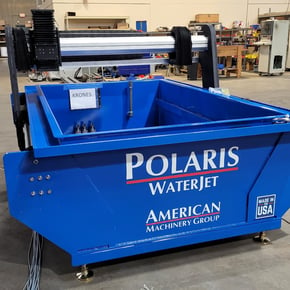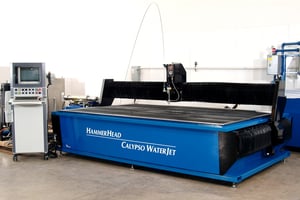
A waterjet is one of the most versatile and productive machines in modern manufacturing. Whether you’re cutting stainless steel, aluminum, stone, glass, composites, or exotic alloys, a properly maintained waterjet delivers exceptional precision and reliability. But like any high-performance industrial system, a waterjet is only as dependable as the maintenance behind it.
Too many operators & owners focus exclusively on cutting performance while neglecting the systems that make accurate cutting possible in the first place. The result? Premature wear, downtime, poor edge quality, expensive repairs, and lost production.
The good news is that most major waterjet failures are preventable with consistent attention to a few critical areas. Below are the five most important steps to properly maintaining your waterjet and protecting your investment.
Maintain your High Pressure System
The heart of every waterjet is its high-pressure system. Whether your machine uses an intensifier pump or direct drive system, this is the component responsible for generating the extreme pressure needed to cut material efficiently and accurately.
Without proper maintenance, high-pressure components wear rapidly—and small issues quickly become failures.
The most important thing you can do is establish a strict preventative maintenance schedule. High-pressure seals, check valves, orifices, and plungers are wear items. They are not designed to last forever, and waiting until failure occurs often creates collateral damage that dramatically increases repair costs. Pre-filters and water treatment systems goa long way in preventing hard water from damaging these high pressure systems.
Watch for warning signs such as:
* Pressure fluctuations
* Inconsistent cutting quality
* Excessive pump cycling
* Water leaks
* Unusual vibration or noise
Water quality is another major factor that many shops underestimate. Poor incoming water quality creates mineral buildup, accelerates seal wear, and damages critical components. Proper filtration and water softening are not optional—they are part of protecting the machine.
Hydraulic systems should also be monitored carefully. Dirty oil, clogged filters, and excessive operating temperatures shorten pump life significantly.
The shops with the best waterjet uptime are not necessarily the shops spending the most money—they’re the ones replacing consumables before they fail.
Check and Maintain your Motion System
Even with perfect pressure, a waterjet is only as accurate as its motion system.
Your machine’s rails, bearings, ball screws, drive systems, and feedback components work together to position the cutting head with precision. Wear or contamination in any of these areas directly impacts cut accuracy, taper control, and repeatability.
One of the biggest enemies of the motion system is abrasive contamination. Garnet dust mixed with moisture creates a grinding compound that destroys linear bearings and guide surfaces over time.
Routine inspection should include:
* Cleaning rails and bearing surfaces
* Checking lubrication systems
* Inspecting & replacing bellows and way covers
* Monitoring backlash or unusual movement
* Verifying machine squareness and calibration
Listen to the machine during operation. Grinding sounds, jerky movement, or inconsistent acceleration often indicate developing issues.
Cable tracks and wiring should also be inspected regularly. Waterjet environments are harsh, and damaged cables can create intermittent faults that are difficult to diagnose later.
Ignoring the motion system usually doesn’t cause immediate failure—it causes gradual loss of accuracy until parts begin falling out of tolerance. By the time most shops notice the issue, significant wear has already occurred.
Check and Maintain your Abrasive Delivery System
A waterjet’s abrasive delivery system is frequently overlooked because it seems relatively simple. In reality, inconsistent abrasive flow is one of the most common causes of poor cutting performance.
If abrasive delivery becomes unstable, you may experience:
* Incomplete cuts
* Excessive taper
* Rough edge quality
* Nozzle clogging
* Increased consumable wear
The abrasive hopper, feed lines, metering components, and mixing chamber all require regular attention.
Moisture is the enemy here. Abrasive material absorbs humidity easily, leading to clogs and inconsistent feed rates. Keep abrasive dry and ensure hopper lids and seals remain in good condition.
Operators should routinely inspect:
* Abrasive feed tubing
* Metering disks and valves
* Mixing chambers
* Nozzles and focusing tubes
Worn nozzles dramatically reduce cutting efficiency and precision. Many shops unknowingly compensate for worn consumables by slowing cutting speeds—losing productivity while masking the real issue.
Abrasive quality matters as well. Cheap or inconsistent garnet often creates more downtime and wear than the savings justify.
Maintaining a stable abrasive delivery system improves:
* Cut quality
* Speed
* Consumable life
* Overall operating cost
In waterjet cutting, consistency is everything.
Repair and Replace Table Sections
The cutting table itself is one of the most abused parts of any waterjet system. Constant exposure to high-pressure water, abrasive, and cut material eventually destroys slats and support structures.
Unfortunately, many shops ignore table maintenance until it begins affecting production.
Damaged or uneven table sections can:
* Prevent proper material support
* Interfere with cutting accuracy
* Cause tipped parts or collisions
* Increase splashback and nozzle wear
Regularly inspect slats and replace heavily eroded sections before they fail completely.
Rust and accumulated debris beneath the table can also become major issues over time. Excess abrasive buildup adds weight, restricts tank function, and accelerates corrosion.
Tank cleaning schedules vary depending on production volume, but every shop should have a plan for:
* Removing spent abrasive
* Inspecting tank integrity
* Repairing rusted sections
* Replacing damaged supports
A neglected table doesn’t just look bad—it creates operational instability throughout the entire machine.
Simple table maintenance extends machine life and helps maintain a safer working environment for operators.
Keep it Clean
This may sound basic, but cleanliness is one of the most overlooked aspects of waterjet maintenance.
Waterjets operate in an extremely aggressive environment:
* High-pressure water
* Fine abrasive dust
* Sludge
* Metal particles
* Humidity
Without routine cleaning, contamination spreads into every system on the machine.
A clean waterjet is easier to inspect, easier to maintain, and far less likely to develop hidden problems.
Daily cleaning should include:
* Removing abrasive buildup
* Wiping rails and exposed surfaces
* Cleaning around seals and fittings
* Emptying scrap material
* Inspecting hoses and lines
Electrical cabinets deserve special attention. Abrasive dust and moisture can destroy sensitive electronics over time. Ensure cabinet filters remain clean and cooling systems function properly.
Clean machines also create a more professional operation overall. Shops that maintain clean equipment typically catch maintenance problems earlier and experience less unexpected downtime.
Cleanliness isn’t cosmetic—it’s preventative maintenance.
A waterjet is a production asset, not just a cutting tool. Proper maintenance directly impacts:
* Accuracy
* Uptime
* Consumable life
* Operating cost
* Machine longevity
The best-performing waterjets are rarely the newest—they’re the ones maintained consistently and intelligently.
By focusing on:
* High-pressure system maintenance
* Motion system care
* Abrasive delivery consistency
* Table repair and upkeep
* Overall machine cleanliness
you can dramatically reduce downtime and extend the life of your machine.
And when maintenance parts, replacement components, or technical support are needed, the experts at WaterjetSupport.com have the parts, knowledge, and support to help keep your waterjet cutting at peak performance.